Is Spray Foam Insulation Worth It? The Real Value Proposition
Homeowners in Wausau are increasingly asking whether spray foam insulation justifies its higher upfront cost compared to traditional fiberglass or cellulose options. The short answer is yes, but with important caveats that depend on your specific situation, home age, and long-term plans.
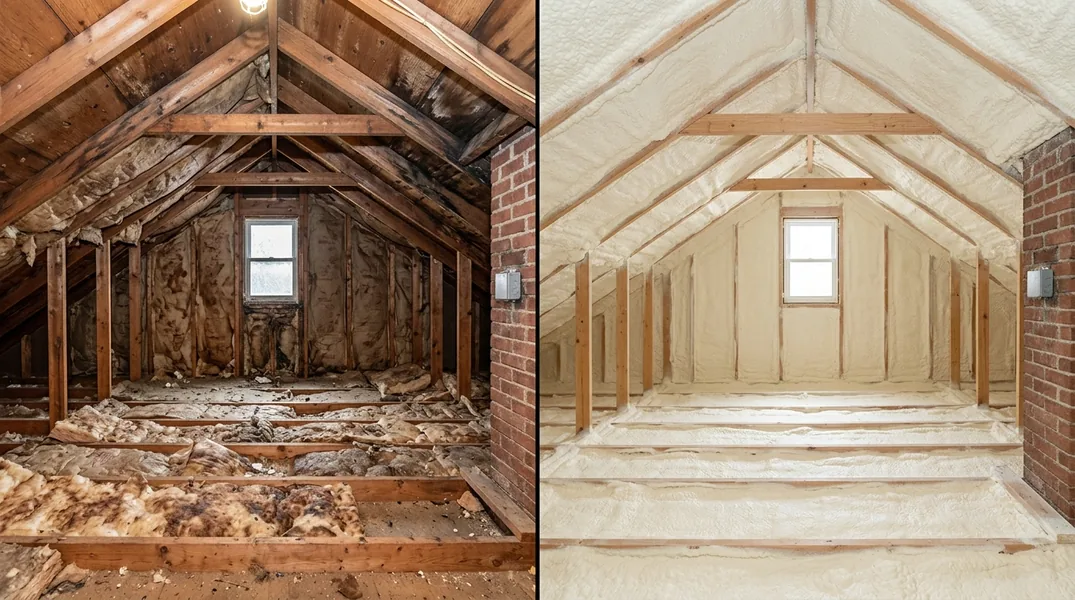
Attic Spray Foam Insulation delivers measurable benefits that extend well beyond simple R-value ratings. Unlike traditional insulation, spray foam creates an air-tight seal that eliminates gaps, cracks, and thermal bridging. This means your heating and cooling systems work more efficiently, which translates to lower utility bills month after month. In Wisconsin's cold climate, where winter heating costs can be substantial, this efficiency gain adds up quickly over time.
The real value emerges when you factor in durability and performance longevity. Spray foam doesn't settle, compress, or degrade like conventional insulation. It maintains its R-value for decades, meaning the energy savings don't diminish over time. For homeowners planning to stay in their Wausau home long-term, this creates a genuine return on investment through reduced energy consumption alone.
Is Spray Foam Insulation Safe? Understanding Off-Gassing and Installation Concerns
Safety is the most common concern homeowners raise, and it deserves a thorough, honest answer. Spray foam insulation is safe when installed correctly by trained professionals, but improper application or poor ventilation during the curing process can create temporary indoor air quality issues. The primary concern centers on off-gassing, which occurs during and shortly after installation as the foam components cure and harden.
During the spray application and curing period (typically 24 to 48 hours), spray foam releases volatile organic compounds (VOCs) as it expands and sets. This is why professional installers recommend that occupants vacate the home during application and for the immediate curing window. Once fully cured, the foam becomes inert and does not continue releasing harmful chemicals. The off-gassing window is temporary and manageable with proper ventilation and planning. Professional installation crews at Wausau Spray Foam Insulation follow strict protocols to minimize exposure risk and ensure your home is safe for reoccupancy once the foam has fully hardened.
Both Closed Cell Spray Foam Insulation and Open Cell Spray Foam Insulation are formulated to meet EPA and industry safety standards. Closed cell foam is denser and cures faster, while open cell foam allows some vapor permeability. Both types, when installed by qualified professionals, are safe for residential use. The key is selecting an experienced contractor who understands proper application techniques, ventilation requirements, and post-installation safety protocols.
Common Spray Foam Insulation Problems and How to Avoid Them
Understanding potential spray foam insulation problems helps you make an informed decision and take preventive steps. The most frequently reported issues stem from improper installation rather than the material itself. Inadequate mixing of foam components, incorrect application temperature, or rushing the curing process can result in incomplete expansion, reduced R-value performance, or uneven coverage that leaves thermal gaps.
Another concern is moisture-related damage when spray foam is applied in damp conditions or when vapor barriers aren't properly managed. This is particularly relevant in Wisconsin's humid climate and during spring thaw periods. If moisture becomes trapped behind foam without proper drainage paths, it can eventually lead to wood rot or mold growth in wall cavities. This risk is virtually eliminated by working with experienced installers who understand local climate conditions and moisture management best practices.
Over-application is another issue some homeowners encounter. Spray foam expands significantly as it cures, and inexperienced applicators sometimes apply too much material, which can create pressure on framing members or create waste. Professional crews at Wausau Spray Foam Insulation calculate precise application rates based on your specific space dimensions and insulation goals, ensuring optimal results without excess.
Adhesion failure can occur if the substrate isn't properly prepared or if the foam is applied to incompatible materials. This is why professional assessment and surface preparation are non-negotiable steps in the installation process. Choosing a reputable local contractor who inspects your attic or wall cavities before work begins ensures these problems never develop in the first place.
Spray Foam Off-Gassing: Timeline and What to Expect
Spray foam off-gassing is a natural part of the curing process, and understanding its timeline helps you prepare appropriately. The most intense off-gassing occurs during the first 24 hours after application, with noticeable odor and VOC release. This is why professional installers strongly recommend that all occupants, including pets and individuals with respiratory sensitivities, leave the home during installation and remain away until the foam has fully cured.
By the 48-hour mark, most off-gassing has subsided significantly, and the foam is substantially cured. However, complete curing can take up to a week, during which minor odor may persist. Opening windows, running exhaust fans, and ensuring good air circulation throughout your home accelerates this process. Many homeowners find that after three to five days of proper ventilation, the odor is barely noticeable.
It's important to note that off-gassing intensity varies based on the foam type, application thickness, and ambient temperature. Warmer temperatures actually speed up the curing process, which means faster off-gassing completion. Professional installers can provide specific guidance based on your installation details and help you plan the best time to schedule work around your family's schedule and seasonal weather patterns.
If you have family members with asthma, chemical sensitivities, or other respiratory concerns, discuss this with your contractor before work begins. They can coordinate installation timing, recommend extended ventilation periods, and potentially suggest alternative solutions like Wall & Injection Foam Insulation for certain applications where off-gassing exposure can be further minimized.
Spray Foam Insulation Pros and Cons: A Balanced Overview
Weighing the advantages against the drawbacks gives you a complete picture for your decision. The primary advantages include superior air sealing that eliminates drafts, exceptional thermal resistance that reduces energy costs, long-term durability that maintains performance for 30+ years, moisture resistance in closed cell applications, and soundproofing benefits that reduce noise transmission. For homeowners in cold climates like Wausau, these benefits directly impact comfort and utility expenses.
The main disadvantages center on higher initial cost compared to fiberglass insulation, temporary off-gassing during installation, the need for professional application (DIY isn't practical), and potential difficulty with future modifications if you need to access wall cavities or add wiring. Some homeowners also express concerns about the environmental impact of petroleum-based foam products, though newer formulations increasingly incorporate recycled content and bio-based materials.
The cost factor deserves particular attention. While spray foam typically costs more upfront than traditional insulation, the energy savings over 10 to 20 years often offset this premium. If you plan to remain in your home long-term, the math usually favors spray foam. For those planning to sell within five years, the payback period may extend beyond your ownership timeline, making traditional insulation a more practical choice.
Getting Your Free Estimate: Next Steps for Wausau Homeowners
If you're ready to explore whether spray foam insulation makes sense for your home, the best first step is a professional assessment. Wausau Spray Foam Insulation offers a free estimate where our team evaluates your attic, walls, or other spaces that could benefit from spray foam. During this consultation, we'll discuss your specific concerns about safety, off-gassing, and performance, and help you understand the realistic costs and benefits for your situation.
Every home is different. Your attic configuration, existing insulation condition, moisture history, and long-term plans all influence whether spray foam is the right choice. Our experienced team will explain the pros and cons specific to your property and help you make a decision based on facts rather than marketing hype or unfounded fears.
Ready to move forward? Call Wausau Spray Foam Insulation at (534) 901-1691 to schedule your free estimate today. We're here to answer your questions, address your safety concerns, and help you achieve a more comfortable, efficient home.
Looking for a professional spray foam insulation contractor in Wausau? Wausau Spray Foam Insulation responds fast for all your spray foam insulation needs.
Get a Free Quote